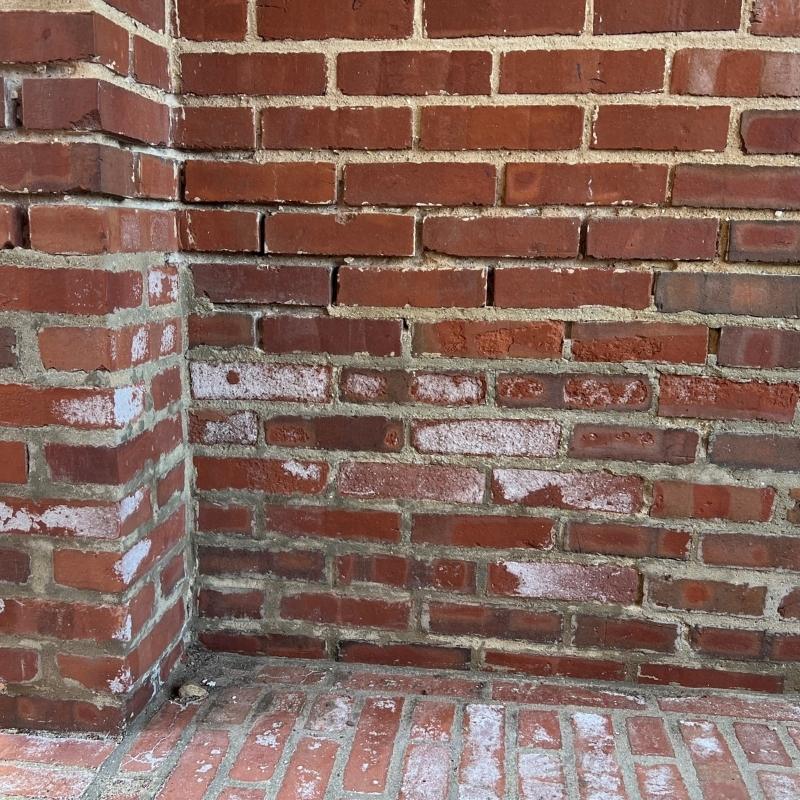
Historic masonry structures are enduring symbols of craftsmanship and history, but even these stalwart buildings are not immune to the ravages of time. One of the most pervasive threats to their integrity is salt damage in masonry. This hidden menace can cause bricks to crumble, mortar to deteriorate, and entire walls to weaken over time. Knowing how to address and prevent salt damage is key to preserving these architectural treasures.
Salt damage, often referred to as salt crystallization, occurs when water carrying dissolved salts infiltrates the porous structure of bricks, stone, or mortar. These salts originate from a variety of sources, such as groundwater rising through capillary action, de-icing salts applied near foundations or walkways, and seawater or salty air in coastal environments. The problem is often worsened by rainwater from faulty gutters or downspouts, which saturates walls and introduces additional moisture. Cracks in bricks or mortar joints further exacerbate the issue by allowing salts to penetrate deeper into the structure.
Compounding the damage are non-breathable coatings like oil-based or acrylic paints that can trap both moisture and salts within the masonry. This entrapment accelerates the deterioration process. As the water inside the material evaporates, the dissolved salts crystallize, exerting immense internal pressure. Over time, this process leads to cracking, flaking, and the gradual weakening of the masonry.
“Salt crystallization is one of the most aggressive forms of masonry deterioration,” explains Mario Machnicki, a masonry restoration expert. “It’s not just the visible damage that’s concerning. The true threat lies deep within the bricks, where the expanding salt crystals can compromise the structural stability of the entire building.”
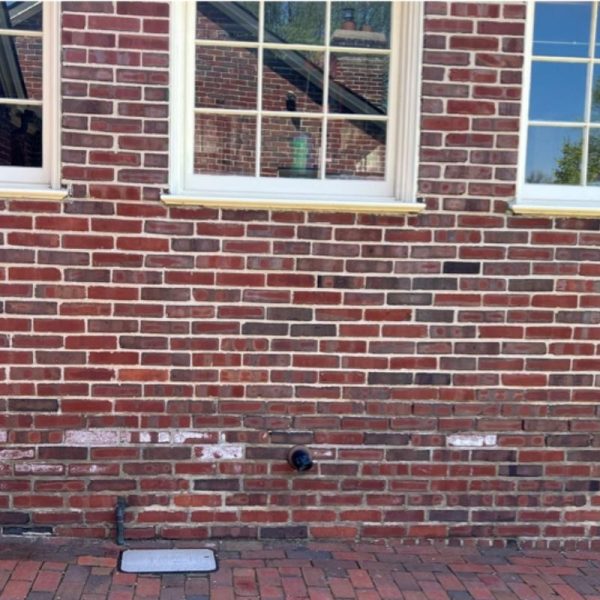
Salt damage often begins subtly, with signs that can easily be overlooked without careful observation. One of the earliest indicators is efflorescence—a white, powdery residue on the surface of bricks caused by salt migration. As the damage progresses, spalling may occur, where the outer layer of brick or stone flakes and crumbles, revealing more serious internal deterioration. Stains or discoloration on the masonry can point to chemical reactions between salts and the natural minerals within the material. In more advanced cases, cracks and bulges may appear in walls, caused by the internal pressure of expanding salt crystals.
Detecting these signs early is essential, as untreated salt damage can compromise the structural integrity of the building, leading to significant and costly repairs.
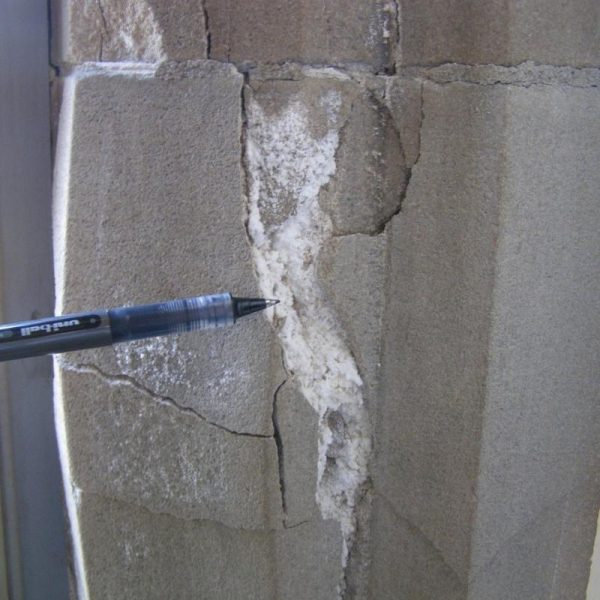
Restoring masonry affected by salt damage involves more than surface cleaning. To effectively eliminate salts, both visible deposits and those trapped within the masonry must be addressed.
Salts Neutralization: Removing Salts from Within
Cleaning salt-damaged masonry goes beyond simply brushing or rinsing off surface efflorescence. While surface cleaning is important, salts embedded inside bricks, stone, and mortar must also be removed to prevent ongoing damage. This is achieved through salt neutralization, a natural and highly effective process where salts migrate freely to an external medium.
Salts neutralization involves applying a poultice to the surface of the masonry. Poultice draws the salts out of the structure through capillary action, effectively reducing internal salt deposits. Depending on the severity of the damage, multiple applications of poultice may be required to fully neutralize the salts.
“Poultices are an invaluable tool in addressing salt damage,” explains Machnicki. “They offer a gentle and precise way to extract salts from within masonry, ensuring the building’s integrity is restored without further harm to the materials.”
Replacing Deteriorated Bricks
For bricks that have suffered severe spalling or crumbling, replacement may be necessary. It is essential to use matching historic bricks to preserve the appearance and functionality of the building. Reclaimed bricks or custom-made replicas are often the best options for maintaining historical accuracy.
Using the Correct Mortar for Historic Restoration
Modern Portland cement mortars are rigid and impermeable, making them unsuitable for historic buildings. Instead, breathable mortars such as lime-based or hydraulic lime mortars are ideal for masonry restoration. These materials allow salts and moisture to escape naturally, preventing further damage.
Sacrificial Mortar Layers
An additional restoration technique involves the use of sacrificial mortar layers, which can be applied to actively draw salts out of the masonry. Over time, the salts migrate into this sacrificial layer, sparing the original brick or stone from further harm. Once the layer has absorbed the salts, it is removed and replaced with a fresh application.
According to Mario Machnicki, “The weakness of lime mortars is actually their greatest strength. They’re softer and more permeable than Portland cement, which means they take on the stress and salts that would otherwise damage the bricks or stones. It’s much cheaper and easier to replace a mortar layer than an entire brick or section of stone.”
By incorporating sacrificial mortar layers into restoration projects, conservators can protect historic masonry while maintaining its original character and structural integrity.
While restoration addresses existing damage, prevention is essential to protect historic masonry from future salt-related deterioration.
Proper drainage systems should be implemented to direct water away from the building, and leaks in gutters, cracks in walls, or gaps in mortar should be promptly repaired. Non-breathable coatings should be avoided, as they trap salts and moisture inside the masonry. Instead, breathable finishes like limewash are recommended.
Limiting the use of de-icing salts near historic structures can also help prevent salt migration into masonry. Regular maintenance, including inspections and the use of salts neutralization methods when necessary, ensures that masonry remains in good condition.
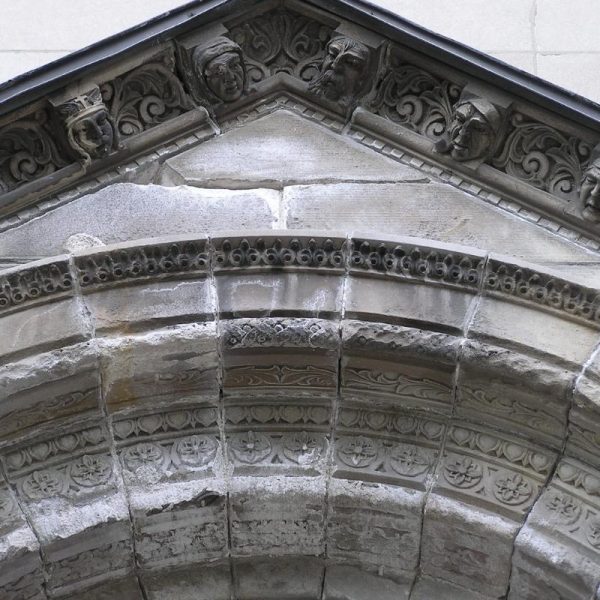
Fort Gaines, a 150-year-old coastal fort in Alabama, is a compelling case study of salt damage in masonry. Hurricanes inundated the structure with seawater, and salts penetrated the bricks through capillary action. As the water evaporated, salts crystallized inside the bricks, causing spalling and cracking.
Restoration teams repaired the damage by replacing affected bricks, neutralizing surface efflorescence, and applying lime-based mortars. These breathable materials allowed salts to escape naturally, preserving the fort’s historical character while restoring its structural integrity.
Salt damage in historic masonry is a complex challenge that requires careful assessment and expert solutions. By understanding the causes, recognizing the signs, and employing effective restoration techniques like salts neutralization and breathable mortars, we can ensure the longevity of these architectural treasures.
As Mario Machnicki emphasizes, “Restoring historic masonry is about more than repair; it’s about respecting the craftsmanship and history these buildings represent.”
Through meticulous planning and the use of proper materials, salt-damaged masonry can be restored, preserving its beauty and strength for generations to come.
Salt damage occurs when water containing dissolved salts infiltrates masonry through cracks, capillary action, or exposure to salty air. The salts crystallize as the water evaporates, exerting pressure that damages the material.
Look for efflorescence (white powdery residue), spalling (flaking or crumbling surfaces), discoloration, cracks, or bulges in the masonry. These are common signs of salt damage.
Salts neutralization is a process where salts are removed from masonry using a poultice. The poultice draws the salt out of the material through capillary action, effectively reducing internal salt deposits.
Yes, non-breathable coatings like oil or acrylic paints trap moisture and salts inside masonry, accelerating deterioration. Breathable finishes such as limewash are recommended for historic buildings.
Breathable mortars, particularly lime-based or hydraulic lime mortars, are ideal for restoration. These materials allow moisture and salts to escape naturally, preventing further damage.
Ensure proper drainage, fix leaks, avoid non-breathable coatings, and limit the use of de-icing salts near the building. Regular maintenance and inspections are also critical for long-term preservation.