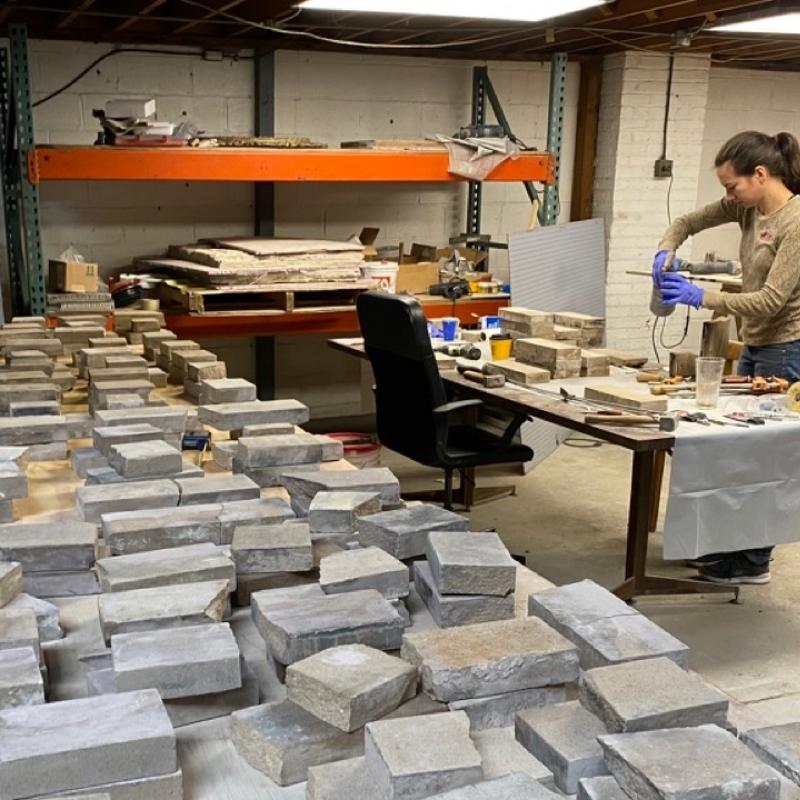
Article based on: Traditional Masonry: Volume 1, Issue 1 Fall 2026 – John Speweik
The charm of a historic brick building lies in its ability to stand the test of time—each brick is a testament to the craftsmanship of an era gone by. However, time and the elements leave their mark, and even the sturdiest brick walls can suffer from cracks, spalling, or missing pieces. Restoring these structures requires a careful balance: should damaged bricks be repaired, or is replacement the better option?
For preservationists, this decision often involves weighing authenticity against practicality. While every project presents unique challenges, a thoughtful approach ensures that history is preserved while the building remains structurally sound.
Repairing bricks is often the preferred approach for preserving as much original material as possible. Repairs can involve filling cracks, stabilizing damaged bricks, or recreating lost details using specially formulated brick repair mortars. These mortars are designed to mimic the appearance and physical properties of the original bricks, blending seamlessly into the structure.
“Repairing historic bricks isn’t just about aesthetics—it’s about ensuring the repair material interacts harmoniously with the original material,” says Mario Machnicki, a preservation expert specializing in masonry restoration. “The new material has to expand, contract, and age at the same rate as the historic brick, or you risk further damage down the line.”
Repairing bricks also provides an opportunity to retain the building’s unique character. Unlike modern bricks, historic bricks often exhibit subtle variations in color and texture, the result of traditional firing methods. A good repair preserves these nuances while reinforcing the structural integrity of the wall.
The Role of Mortars in Repair
One critical aspect of brick repair is the mortar used. Modern cement-based mortars are generally too hard and rigid for historic bricks, which tend to be softer and more porous. Instead, lime-based mortars are recommended for most repairs, as they allow the structure to “breathe,” accommodating the natural expansion and contraction of the bricks.
“Matching the mortar to the original material is just as important as matching the bricks themselves,” explains Mario. “You want a repair that enhances the building’s longevity, not one that creates new problems.”
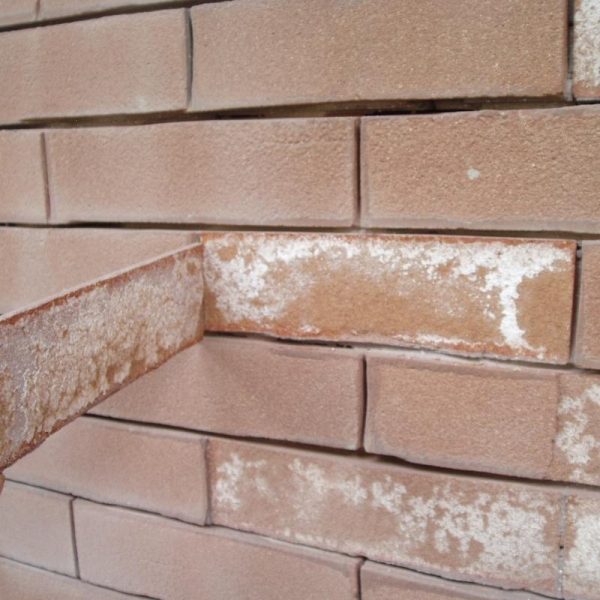
In some cases, repair isn’t possible. Severely deteriorated or missing bricks often need to be replaced to maintain the building’s strength and stability. However, choosing the right replacement bricks is crucial to avoid disrupting the historic fabric of the structure.
The best option is to salvage bricks from the same building. Bricks from less visible areas, such as basements or attics, can often be repurposed for restoration work. When that’s not feasible, reclaimed bricks from other historic structures are a strong alternative. Companies specializing in salvaged bricks can help match the size, texture, and color of the originals.
When neither salvaged nor original bricks are available, custom-made bricks may be the solution. U.S. Heritage Group offers high-quality custom bricks made specifically for historic restoration projects. As the official distributor for H.G. Matthews, a renowned UK-based company producing handmade bricks since 1923, U.S. Heritage Group ensures that every replacement brick matches the unique character of the original material.
“Our partnership with H.G. Matthews allows us to supply bricks that are handmade using traditional techniques, ensuring they blend perfectly with historic masonry,” explains Tai Olson from U.S. Heritage Group. “If you need a replacement, our team can guide you through the process, from selecting the right brick to completing your project.”
H.G. Matthews specializes in handmade, wood-fired bricks that replicate the natural variations found in historic masonry. This process not only produces bricks that are visually authentic but also ensures they perform similarly to the originals, maintaining compatibility with the surrounding materials.
For preservationists seeking authenticity, this collaboration offers an unparalleled solution. Handmade bricks are crafted to match original dimensions, color, and texture, preserving the historic fabric of the structure. Whether for a small repair or a large-scale restoration project, custom-made bricks from U.S. Heritage Group provide a reliable and authentic option
Both repair and replacement come with their own challenges, requiring meticulous attention to detail and a deep understanding of masonry materials.
The Importance of Testing
For repairs, color matching is often the trickiest part. “Even small differences in shade or texture can stand out,” explains Mario. “It’s not just about making it look good today; it has to age well, too.”
Replacement comes with its own hurdles. Salvaged bricks, for instance, need to be tested to ensure they are structurally sound and suitable for the job. According to Mario, “You don’t want to use bricks that were originally intended for interior use on an exterior wall. Under-fired or soft bricks won’t hold up in harsh weather.”
Skilled Craftsmanship Is Key
In both cases, the skill of the mason plays a critical role. Historic restoration is not just about patching up a wall—it’s about preserving the story the building tells. Attention to detail and respect for traditional craftsmanship are key to ensuring the repair or replacement looks and performs as intended.
In most restoration projects, repair and replacement go hand in hand. Damaged but salvageable bricks can be repaired with custom mortars, while missing or severely deteriorated bricks are replaced with original or replica materials. This hybrid approach allows preservationists to maintain as much of the original structure as possible while ensuring long-term stability.
The decision of whether to repair or replace isn’t just about technical considerations; it’s also about respecting the building’s history and character. “Every brick in a historic building tells a story,” says Mario. “Our job is to preserve those stories for future generations while ensuring the structure remains safe and functional.”
Historic brick restoration is more than a technical task—it’s a commitment to preserving the legacy of the past. Whether through careful repair or thoughtful replacement, every decision plays a role in keeping history alive.
Each restored brick is a testament to the ingenuity of the original builders and the skill of modern-day masons who honor their work. With the right balance of tradition and innovation, historic buildings can continue to stand as proud reminders of the craftsmanship and artistry that define our shared heritage.
The decision depends on the extent of the damage. Cracked or spalled bricks can often be repaired if they are still structurally sound. However, bricks that are severely deteriorated, crumbling, or missing should be replaced.
Specialized brick repair mortars are designed to match the color, texture, and performance characteristics of historic bricks. These mortars are compatible with the original material, ensuring a long-lasting repair.
Modern bricks are typically not suitable for historic restoration due to differences in density, porosity, and firing techniques. Using modern bricks can lead to incompatibility issues and visible mismatches.
Replacement bricks can be salvaged from the same building, sourced from reclaimed brick suppliers, or custom-made by manufacturers. U.S. Heritage Group, in partnership with H.G. Matthews, offers handmade custom bricks that are ideal for historic restorations.
Handmade bricks, such as those produced by H.G. Matthews, are crafted to replicate historic materials in both appearance and performance. Reclaimed bricks, while often a good option, may not always meet structural or aesthetic requirements.
Contact U.S. Heritage Group, the official distributor of H.G. Matthews handmade bricks. Their team can help you select the right replacement bricks for your project.