Bricks have been a cornerstone of construction for thousands of years, shaping cities, homes, and monuments across the globe. While modern technology has revolutionized the production of bricks, traditional brickmaking methods continue to hold a special place in restoration and preservation projects. The unique textures, imperfections, and colors of handmade bricks tell stories of craftsmanship, culture, and history. How were bricks made before industrialization, and how do today’s methods compare? Let’s dive into the brickmaking techniques that have evolved over centuries, exploring the transition from labor-intensive traditions to modern precision manufacturing.
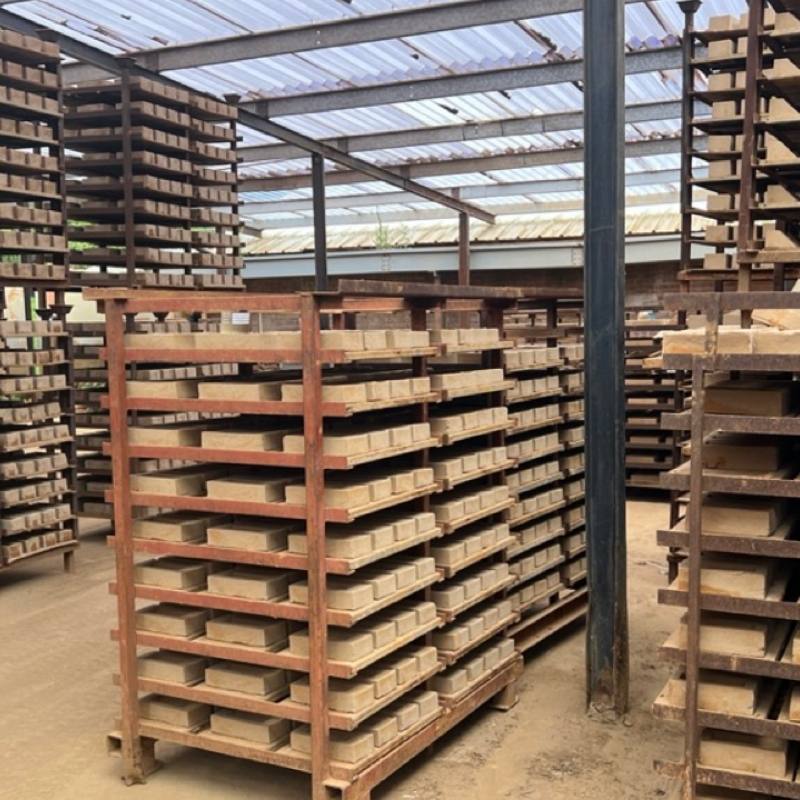
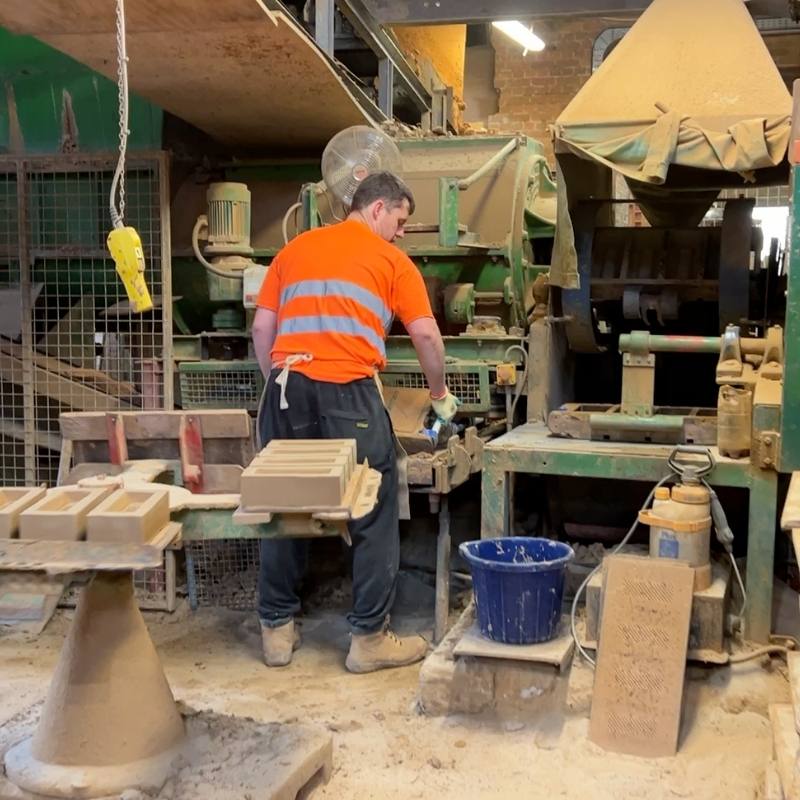
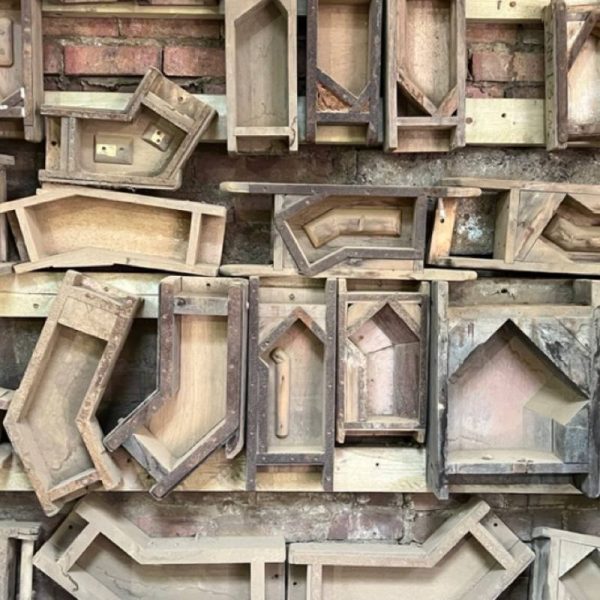
Before industrialization, brickmaking techniques relied heavily on skilled labor and patience. The process began with ground clay or shale mixed with water to form a soft, malleable mud. This clay mud was carefully packed into wooden or steel molds, which had been dampened and coated with sand to prevent sticking. Once shaped, the molded bricks were removed and set aside to air dry.
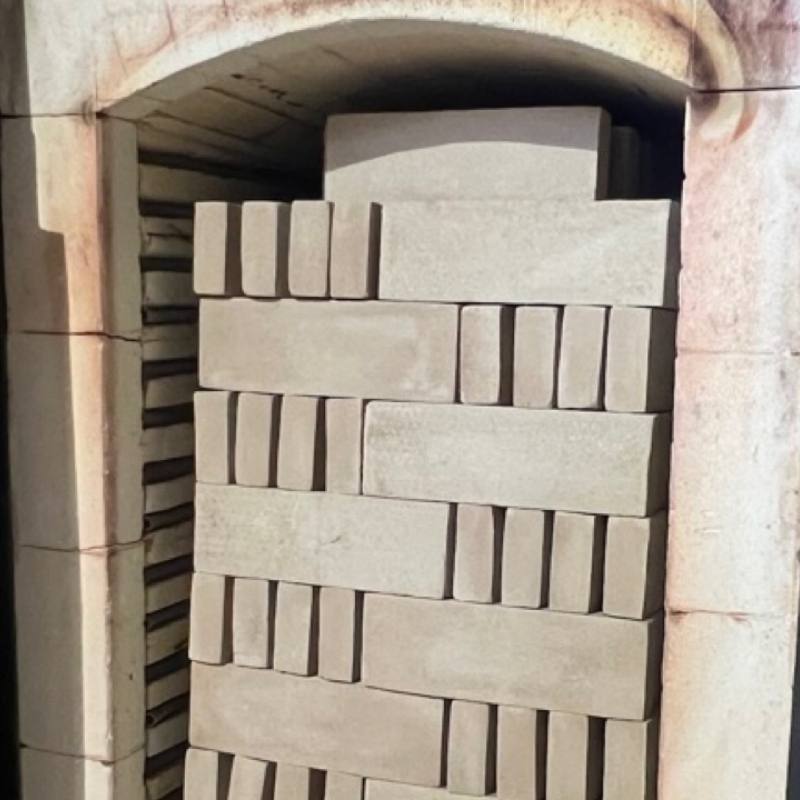
After drying, the bricks were carefully stacked in beehive-shaped kilns, allowing air to circulate between them. These kilns, fueled by wood and coal fires, reached temperatures of 1,800°F to 2,000°F. The firing process lasted about a week, followed by several days of gradual cooling to prevent cracking or warping.
Not all bricks in the kiln were exposed to the same levels of heat, resulting in natural variations in density and durability. Hard-fired bricks near the center of the kiln were dense and durable, suitable for exterior walls. By contrast, under-fired bricks, commonly known as “salmon bricks” due to their pinkish hue, were softer and more porous, making them better suited for interior use.
The natural imperfections and color variations produced by this method gave historic bricks their distinctive character. These unique features remain highly valued in restoration work, where authenticity is paramount.
Among traditional brickmaking techniques, wood-fired bricks stand out for their distinctive appearance and texture. H.G. Matthews, a leader in traditional brick production, continues to fire bricks in coal- and wood-fueled kilns, a method largely unchanged for over a century. The use of wood as a fuel source gives each brick a unique finish, as the flames create natural variations in color and texture. This technique is highly valued in restoration work, as wood-fired bricks closely replicate
the look and feel of historic masonry. As a renewable energy source, wood also aligns with modern sustainability goals, reducing the carbon footprint of the production process.
The industrialization of brickmaking introduced automated processes, transforming the craft into a highly efficient and precise operation. Modern factories use extrusion techniques to produce bricks at scale.
Clay is mixed into a stiff consistency and forced through a die under high pressure, creating a continuous ribbon of clay. This ribbon is then sliced into uniform blocks of the desired size. Unlike traditional air-drying methods, modern bricks are dried in computer-controlled environments, where temperature and humidity are carefully regulated to minimize cracking or warping.
Bricks are then fired in tunnel kilns, where they pass through a controlled heating process on conveyor belts. Temperatures gradually increase to about 2,000°F before cooling. This 36-hour process ensures consistency in size, density, and durability, creating uniform bricks suitable for modern construction.
Modern innovations, such as the addition of interior holes in bricks, reduce weight, improve insulation, and enhance mortar bonding. However, despite these advancements, modern bricks lack the unique textures and color variations of their traditional counterparts, making them less suitable for historic brick restoration.
Machine-made bricks, like those produced by H.G. Matthews, offer consistency and durability while maintaining a traditional aesthetic. These bricks are pressed in molds and then fired, ensuring a high-quality finish suitable for both modern and traditional builds. Machine-made bricks are available in a wide variety of colors and finishes, making them a versatile choice for architects and builders.
In the field of historic preservation, authenticity is key. For restoration projects, traditional brickmaking methods are often revived to replicate the appearance and performance of original bricks. Handmade bricks for restoration are crafted using time-honored techniques, including hand-molding and firing in coal-fired or wood-fired kilns.
Handmade bricks are individually formed, ensuring slight variations in texture and size that mimic historic masonry. Each brick is a testament to the craftsmanship of skilled brickmakers, making it the ideal choice for projects requiring authenticity and attention to detail.
“Restoring a historic building means preserving its story, and that starts with the materials,” says Mario Machnicki, a masonry expert specializing in restoration. “Modern bricks can’t replicate the character of traditional ones, so custom-made bricks for preservation are often the best choice for authenticity.”
As the official distributor for H.G. Matthews, U.S. Heritage Group offers handmade, custom-matched bricks for preservation projects. These bricks are specifically crafted to replicate historic dimensions, textures, and firing methods, ensuring they blend seamlessly with existing masonry.
Brickmaking is both an art and a science, blending tradition and technology to create one of the world’s most enduring building materials. Whether shaped by hand or extruded by machine, bricks remain a cornerstone of architectural history.
For preservationists, traditional brickmaking methods offer an invaluable connection to the past. Handmade bricks allow us to honor the craftsmanship of earlier generations while ensuring that historic structures endure for future ones. Whether you’re restoring a 19th-century townhouse or maintaining a centuries-old cathedral, the choice of brickmaking technique can make all the difference in preserving the character and legacy of a building
Traditional bricks were made by mixing clay with water, molding to shape by hand, and firing in coal- or wood-fueled kilns. This process created bricks with unique textures and imperfections, which are highly valued in restoration.
“Salmon bricks” are under-fired bricks that are softer, more porous, and have a pinkish color. They were typically used for interior walls or areas not exposed to the elements.
Wood-fired bricks are crafted using traditional kilns fueled by wood, creating natural variations in color and texture. Each brick is unique, making them ideal for restoration projects where historic authenticity is important.
Machine-made bricks are pressed and fired in controlled environments, ensuring uniformity and consistency. Handmade bricks, by contrast, are individually molded and fired, resulting in slight imperfections that give them character and make them ideal for historic restoration.
U.S. Heritage Group, in partnership with H.G. Matthews, supplies high-quality handmade bricks for restoration projects. Their custom-made bricks are specifically designed to match historic structures and can be produced on both a small scale for niche repairs or a larger scale for extensive restoration work, ensuring flexibility for any project size.
Handmade and wood-fired bricks provide a unique, authentic appearance that replicates historic masonry. They are also sustainable, using natural materials and traditional methods that reduce environmental impact.